
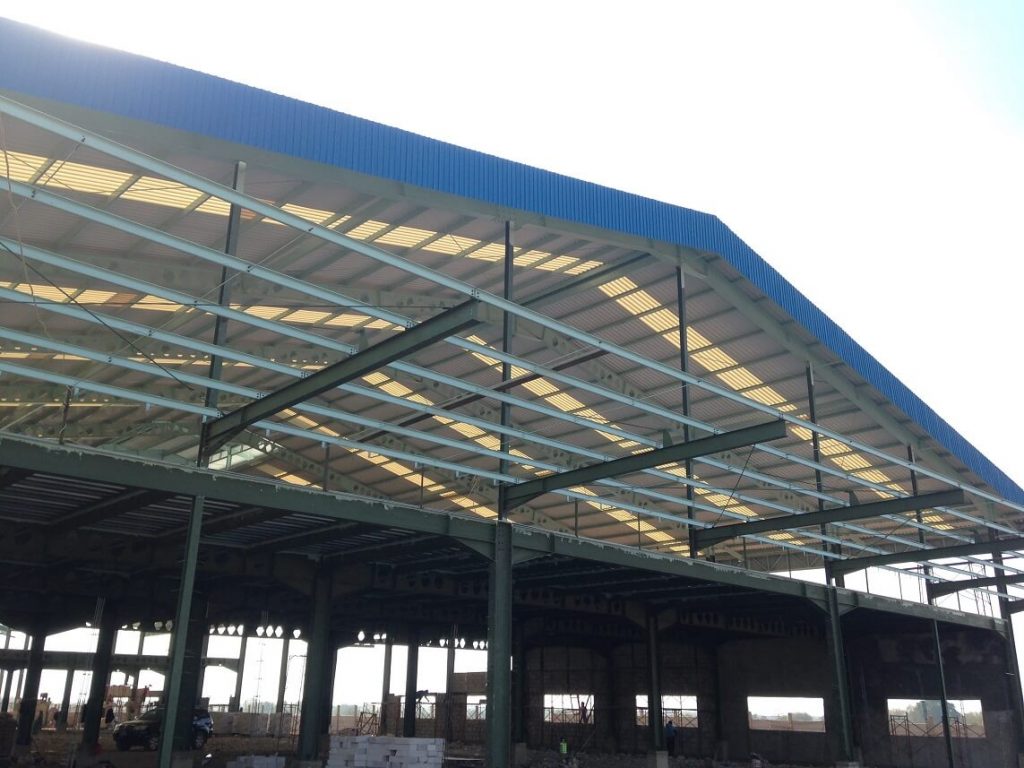
uPVC roofing is becoming increasingly popular for a variety of applications, ranging from residential structures like canopies to large-scale projects such as factory, warehouse, and industrial roofs. Before diving deeper into uPVC roofing, let’s first review the general functions of a roof.
The roof is a crucial element of a home, serving to protect the house from sunlight and rain. Unfortunately, roofing materials often deteriorate quickly, prompting the development of technologies to create more durable and high-quality roofing solutions. One of the latest solutions is uPVC roofing. But what exactly is uPVC roofing, and how does it differ from PVC roofing? Here’s an explanation.
What is uPVC Roofing?
uPVC roofing is made from uPVC (Unplasticized Polyvinyl Chloride). This material is highly suitable for tropical countries like Indonesia due to its strength against corrosion from rain and sunlight. Additionally, uPVC roofing is known for its flexibility and comes in a variety of colors.
Characteristics of uPVC Roofing
To gain a deeper understanding of uPVC roofing, here are some of its main characteristics:
1. High Heat Rejection: This roofing can reject up to 71% of heat, helping to keep indoor temperatures cool.
2. Sound Insulation: uPVC roofing can reduce noise from rain by up to 20 decibels, outperforming metal roofs.
3. Flexibility: This roofing is flexible at certain lengths and can be applied to curved roof shapes without the need for prior rolling.
4. Fire Resistance: uPVC roofing is fire-retardant, making it less likely to spread flames if exposed to fire and easy to extinguish.
5. Corrosion Resistance: uPVC roofing offers over 90% better resistance to acids, bases, and salts compared to metal roofing products, making it ideal for environments with high salt content.
Benefits of Using uPVC Roofing
Using uPVC roofing offers a variety of benefits:
1. Durable and Strong: This roofing can last over 10 years, even in extreme weather conditions.
2. Low Maintenance: uPVC roofing does not easily rot, rust, or fade, requiring minimal upkeep.
3. Easy to Clean: With excellent self-cleaning performance, this roofing is easy to maintain and does not require intensive routine care.
4. Leak-Resistant: Its solid and waterproof properties make it effective in preventing leaks.
5. Safe: In addition to being fire-resistant, uPVC roofing features a secure structure that is difficult to steal.
6. Excellent Insulation: uPVC roofing has strong insulation capabilities, effectively dampening heat and sound while reflecting ultraviolet rays, keeping indoor temperatures comfortable.
7. Affordable Price: Compared to materials like wood and aluminum, uPVC roofing is typically more cost-effective.
Difference Between PVC Roofing and uPVC Roofing
What distinguishes PVC (Polyvinyl Chloride) roofing from uPVC roofing?
– Manufacturing Process: PVC roofing undergoes a plasticizing process, making it more flexible due to a higher amount of plastic additives. In contrast, uPVC roofing does not go through this process, resulting in a stiffer and more durable material.
– Durability: uPVC roofing, which contains less plastic and more chlorine, offers better resistance to fire and electricity compared to PVC roofing. The chlorine content also helps uPVC roofing to be less flammable, allowing it to extinguish itself in the event of a fire.
With its various advantages and characteristics, uPVC roofing is becoming an increasingly popular choice for different types of buildings, providing a durable, efficient, and aesthetic solution.


